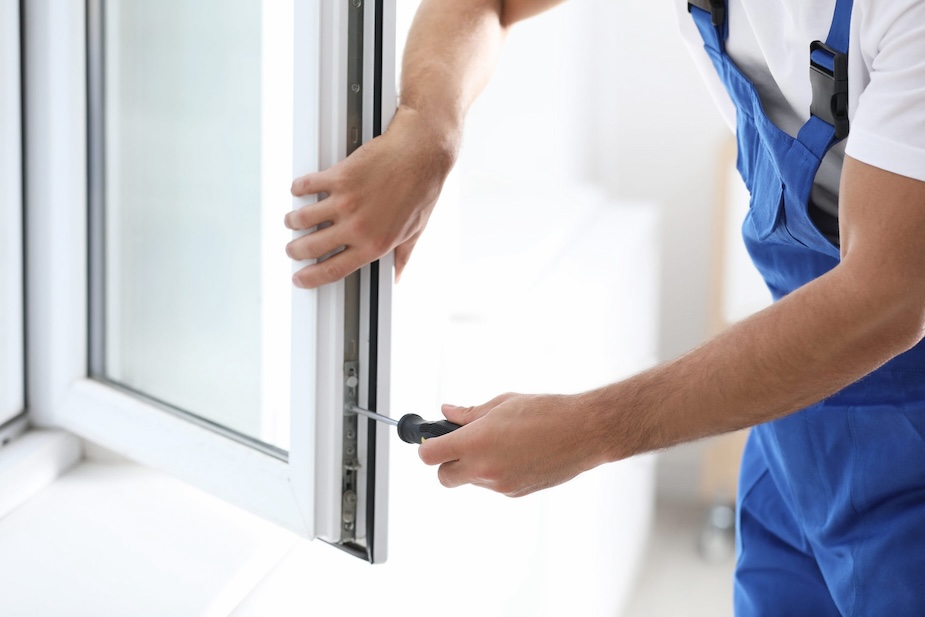
Reliable Lock Repair: Ensuring Security and Convenience
In a world where security is critical, the performance and reliability of locks can not be overstated. Whether it's the front door of a home, a commercial office, or a high-security vault, a well-maintained lock is essential for protecting what matters most. However, locks, like any mechanical gadget, can use out over time or experience damage. This is where trusted lock repair services come into play, offering peace of mind and making sure that security measures stay efficient. This short article looks into the value of trusted lock repair, the typical concerns that emerge, and how to select the right locksmith for the task.
The Importance of Reliable Locks
Locks work as the very first line of defense against unauthorized access. They secure personal belongings, sensitive details, and even the security of people. A trustworthy lock repair service ensures that these safeguards stay robust and practical. Here are a few key reasons that maintaining and fixing locks is essential:
- Security: A malfunctioning lock can be bypassed more quickly, leaving homes and valuable possessions susceptible to theft and invasion.
- Convenience: When locks remain in excellent working order, they make everyday tasks easier, such as entering and leaving a structure or accessing a secure location.
- Compliance: In many industrial and governmental settings, locks need to meet particular security requirements. Routine repair and maintenance help ensure compliance with these policies.
- Longevity: Proper maintenance can extend the life of a lock, conserving money in the long run by minimizing the need for frequent replacements.
Common Lock Issues
Locks can face a range of issues, from small hassles to major security issues. Here are a few of the most common problems:
- Sticking or Jamming: This is typically triggered by dirt, particles, or use and tear. Keys might not move efficiently into the lock or might get stuck.
- Key Breakage: Over time, keys can damage and break off inside the lock, making it tough or difficult to unlock.
- Worn Lock Mechanisms: Internal components can wear, causing a lock that does not work as meant.
- Lock Failure: In extreme cases, the lock may stop working totally, needing immediate attention to prevent security breaches.
- Harmed Lock Cylinders: Impact or forced entry can harm the lock cylinder, necessitating expert repair or replacement.
- Lost Keys: While not a lock issue per se, losing keys can lead to the requirement for lock repair or rekeying to ensure ongoing security.
Actions to Repair a Lock
While some small lock concerns can be fixed with DIY methods, more complicated problems frequently need professional help. Here's a step-by-step guide to fixing a sticking lock:
- Identify the Problem: Determine whether the lock is sticking due to dirt, wear, or damage. Try to find indications of wear on the key and the lock itself.
- Clean the Lock: Use a lubricant or graphite powder to clean the lock. Insert the key and spray the lubricant into the keyhole, then work the secret in and out numerous times.
- Inspect the Strike Plate: Ensure that the strike plate (the metal plate on the door frame) is properly aligned with the lock. Misalignment can cause the lock to stick.
- Change the Lock: If the lock is misaligned, you may need to change the screws or the lock itself to fix the concern.
- Replace Worn Parts: If internal parts are broken, they might require to be replaced. This is frequently a task for a professional locksmith professional.
For more complex issues, such as a broken secret or damaged lock cylinder, it is best to call an expert locksmith professional. They have the competence and tools to detect and repair the issue efficiently.
Choosing the Right Locksmith
Selecting a reputable locksmith is essential for ensuring that your lock repair is done properly and firmly. Here are some tips for selecting the ideal locksmith professional:
- Research and Reviews: Look up regional locksmith professionals and check out evaluations from previous consumers. A locksmith professional with favorable evaluations is more likely to offer quality service.
- Licensing and Certification: Ensure that the locksmith professional is licensed and licensed. This ensures that they have actually met certain requirements of training and professionalism.
- Experience: Choose a locksmith with experience in handling a range of lock types and issues. Experience frequently translates to much better service and quicker issue resolution.
- 24/7 Availability: In emergencies, it's essential to have a locksmith professional who can react quickly. Look for services that offer 24/7 schedule.
- Openness and Pricing: Ask for a clear estimate of the cost before any work is done. A reliable locksmith professional will be in advance about rates and will not charge hidden charges.
FAQs About Lock Repair
Q1: How often should I have my locks serviced?
- It is usually advised to have your locks serviced every 6 months to a year, depending on the frequency of use and the environment. Regular maintenance can help prevent issues and ensure that your locks are operating efficiently.
Q2: Can I repair my lock myself, or do I need an expert?
- For minor issues like a sticking lock, DIY approaches can frequently be efficient. However, for more intricate issues, such as a broken secret or harmed lock mechanism, it is best to call a professional to prevent additional damage and make sure proper security.
Q3: What should I do if I lose my secrets?
- If you lose your keys, the very first action is to check if you have any extra keys. If not, contact a locksmith professional to either rekey the lock or replace it totally. It's likewise an excellent idea to consider adding an extra key to a protected place or a key safe.
Q4: How can I avoid lock issues?
- Regular maintenance, such as cleansing and oiling the lock, can assist prevent issues. Prevent using extreme force when placing or turning the key, and keep the lock devoid of dirt and particles.
Q5: Are there various types of locks, and do they require different repair techniques?
- Yes, there are numerous types of locks, consisting of deadbolts, lever handles, and smart locks. Each type may need various repair approaches and tools. cheap lock repair will have the knowledge and equipment to deal with any lock type.
The Role of Technology in Lock Repair
In the last few years, innovation has played a considerable role in lock repair and maintenance. Smart locks, for example, can supply additional security functions and benefit. However, they likewise require specific understanding and tools for repair. Here are a couple of methods technology has affected lock repair:
- Smart Locks: These locks can be managed through smartphone apps and typically have features like remote gain access to and activity logs. If a wise lock breakdowns, a locksmith with expertise in these devices will be required.
- Keyless Entry Systems: These systems utilize finger print recognition, keypad codes, or card readers. They can be more secure and hassle-free but may require expert setup and maintenance.
- Digital Locksmith Tools: Modern locksmiths typically utilize digital tools to detect and repair locks. These tools can supply more accurate and effective service.
Dependable lock repair is vital for preserving the security and convenience of any property. Whether handling a small sticking issue or a major lock failure, having a trusted locksmith professional on hand can make all the difference. By understanding typical lock concerns, taking steps to repair them, and picking the right expert, you can make sure that your locks remain a strong line of defense versus unauthorized access.
Locks are more than simply mechanical devices; they are a testimony to the value of security in our lives. By purchasing routine upkeep and expert repair, you can delight in assurance understanding that your home is well-protected.
Additional Resources
- Regional Locksmith Associations: Many locations have local locksmith associations that can provide a list of certified and reputable locksmith professionals.
- Online Reviews: Websites like Yelp and Google Reviews can offer insights into the experiences of other clients.
- Lock Maintenance Tips: Check manufacturer guidelines for particular upkeep suggestions for different kinds of locks.
By following these standards and suggestions, you can ensure that your locks stay reliable and secure, supplying the defense you require in a world where safety is a top priority.